
When the spreadsheet is not enough
Excel is great at 50 rows. Not 500 boats, 12 lifts a day and 7 people who all need the same information.
Feature comparison
What Excel handles, and where it breaks
Excel is flexible. It is also unstructured, ahistorical and a bottleneck.
| Feature | Dockio | Excel / whiteboard |
|---|---|---|
| Real-time multi-user | ||
| Visual yard map | ||
| Lift planning & crane capacity | ||
| Stock, parts & supplier search | ||
| Movement history per boat | ||
| Boat register with engine fields | ||
| Service & impeller reminders | ||
| Cost per user |
Real-time multi-user
Visual yard map
Lift planning & crane capacity
Stock, parts & supplier search
Movement history per boat
Boat register with engine fields
Service & impeller reminders
Cost per user
What you gain
Three things that happen when you switch
Nothing magical, just things a dedicated system does that a spreadsheet cannot.
No more "who has the latest version?"
The whole team sees the same data in real time, whether someone is at the office, by the crane or in the hall.
Two people can move boats simultaneously without conflicts. Everything is logged automatically.
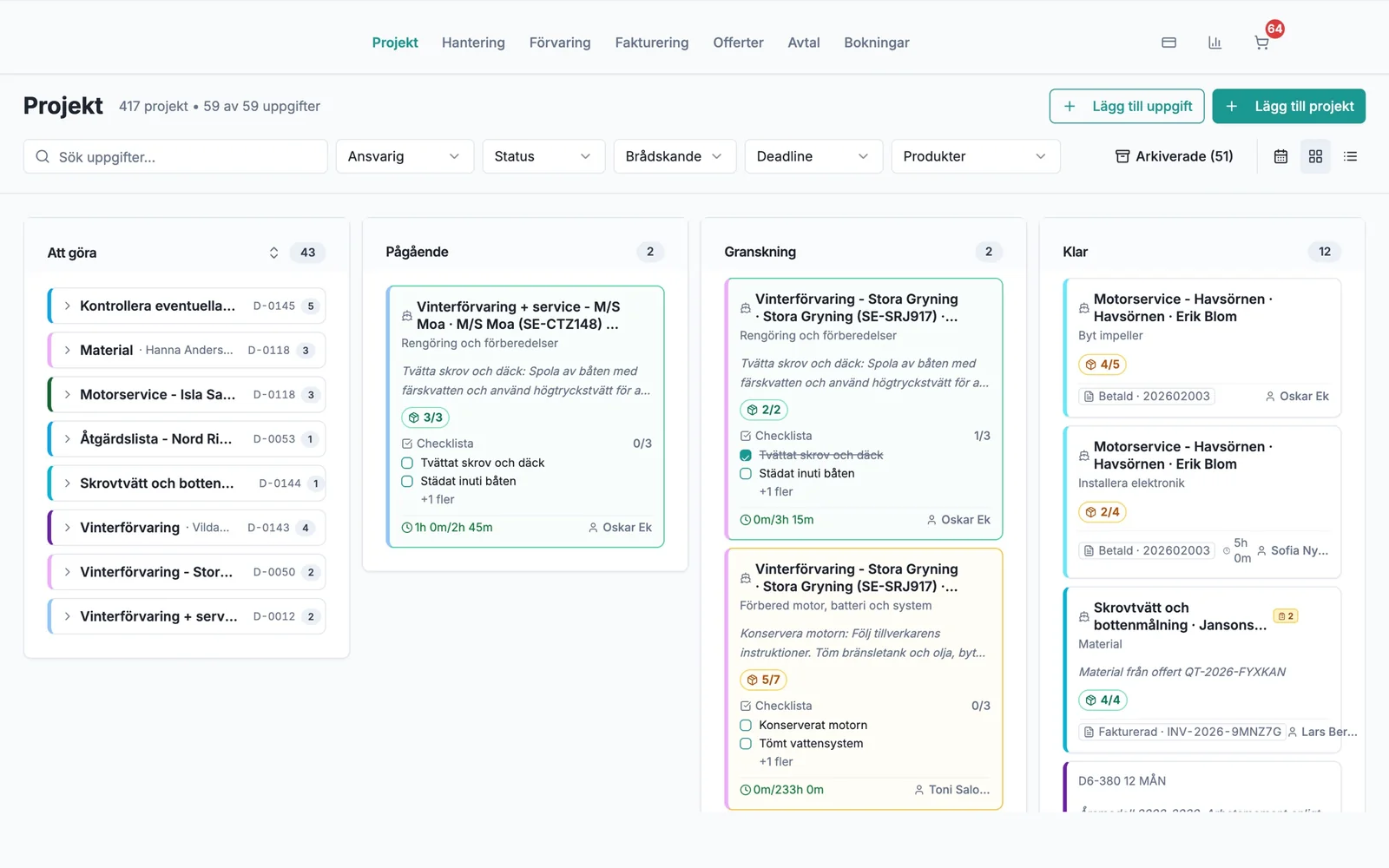
The yard looks like the yard, not like a spreadsheet
Drag the boat to the right place on the map. Capacity meter updates automatically. Boat-length rules prevent wrong placements.
Movements between outdoor and heated halls trigger a checklist.
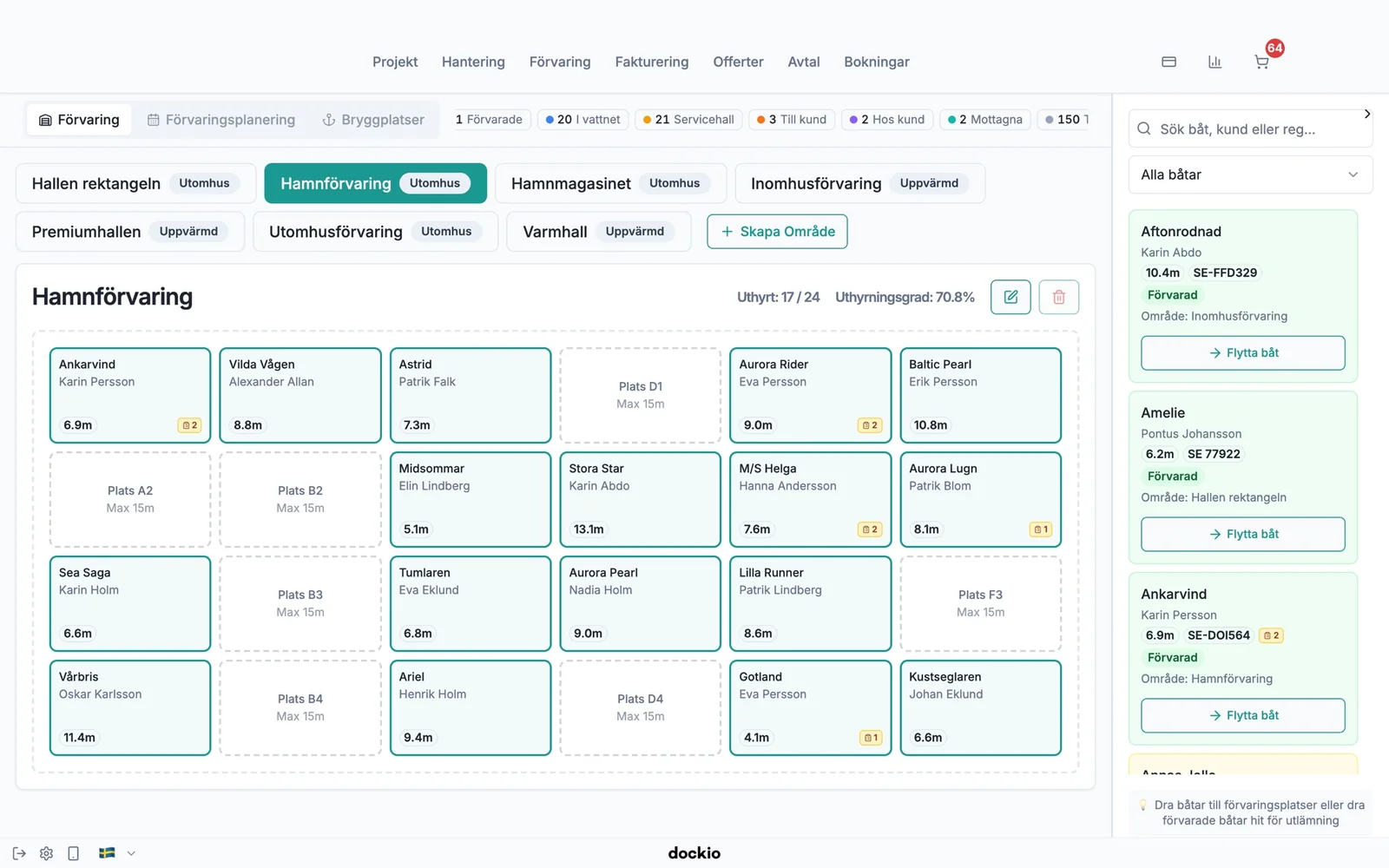
History that just exists
Every move, every approval, every material and hour is logged automatically against the right boat and customer.
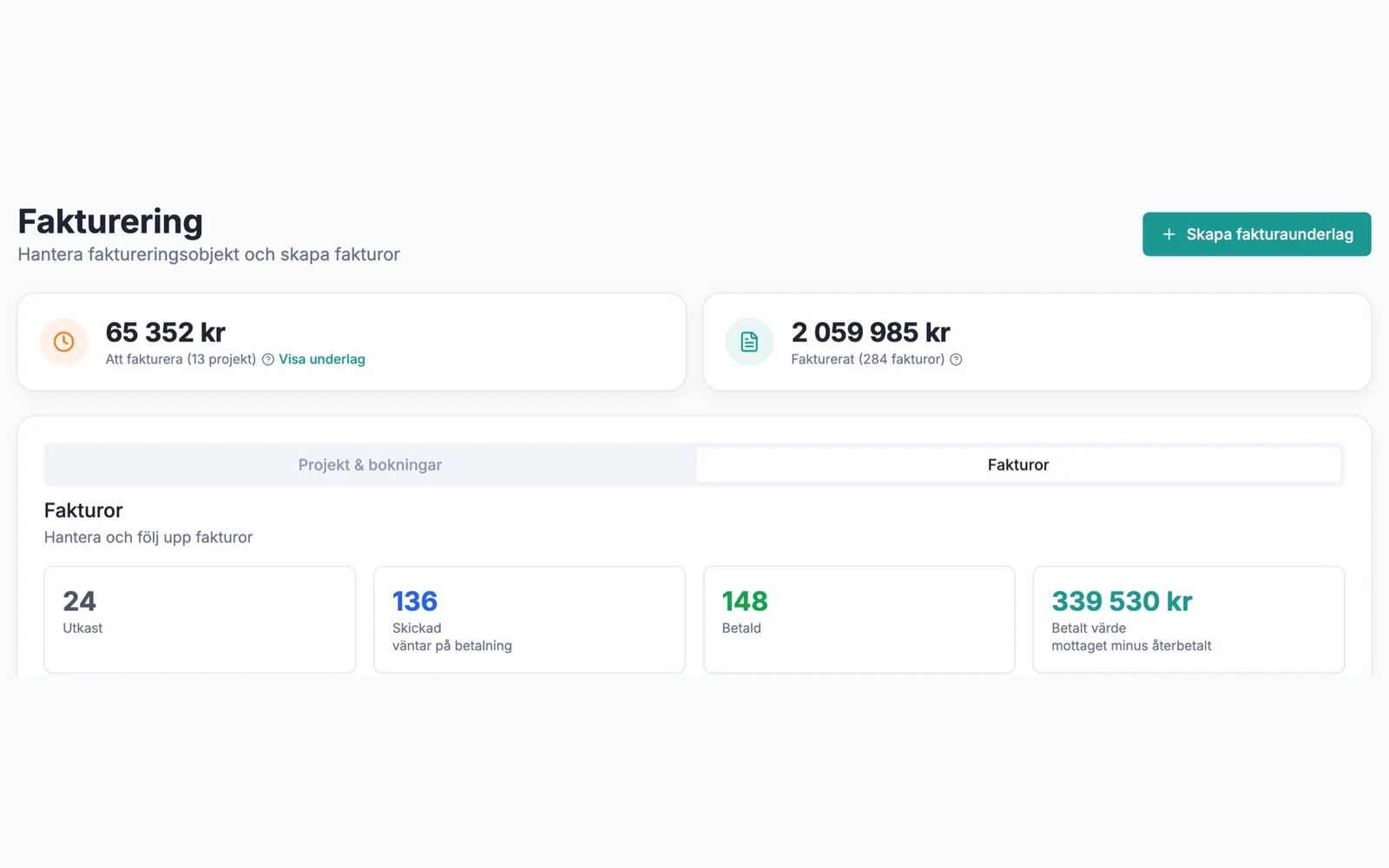
Closing the season is quick because the invoice drafts are already done.
Questions from yards coming from Excel
Next step
Show me how it would look at our yard
We look at your Excel files, walk through the flow and show what it becomes in Dockio. 30 minutes, free.